Same day gardeners Cranford emergency garden clearance: fast help when your garden cannot wait
If your garden has tipped from "a bit untidy" into "we need this sorted today", you are not alone. Storm damage, a broken fence panel, fallen branches, sudden overgrowth, fly-tipped waste, or a lawn that has become a trip hazard can all turn into a same-day problem very quickly. That is exactly where Same day gardeners Cranford emergency garden clearance comes in: a rapid, practical service designed to restore order, remove risks, and give you breathing room again.
In this guide, we will look at what emergency garden clearance really involves, how it works in practice, who it is best for, and how to judge quality when time is tight. We will also cover useful comparisons, a step-by-step approach, and a realistic checklist so you know what to expect before anyone arrives at the gate. Let's face it, when the garden looks like it has had a rough night, you need clear answers, not vague promises.
Why Same day gardeners Cranford emergency garden clearance Matters
Emergency garden clearance is not just about making things look neat. It is about removing hazards, preventing damage from getting worse, and getting a space back into a workable condition before the problem spreads. A blocked side path, a pile of storm debris, or a tangled hedge leaning into a neighbour's boundary can become more than an inconvenience. It can affect safety, access, and even peace of mind.
In Cranford, gardens often face a mix of weather stress, compact plots, boundary issues, and limited storage for waste. When debris builds up quickly, it can attract pests, make drainage worse, and hide broken glass, unstable branches, or slippery patches. If you have ever walked into a garden after a windy night and felt that slight sinking feeling, you will know the type of situation we mean.
There is also a practical side. A quick clearance can stop a minor issue becoming a bigger job. For example, if a fallen branch stays in place too long, it can crush plants, stress fencing, or block light and airflow. If weeds and self-seeded growth are left to establish, the eventual tidy-up takes longer and often costs more. Same-day action often saves time later. Not always, but often enough to matter.
For households with children, pets, or older residents, speed matters even more. A cluttered garden can be awkward at best and unsafe at worst. That is why many people treat emergency clearance as a first-response service rather than a luxury. If the space has become too messy to use safely, it is time to act.
How Same day gardeners Cranford emergency garden clearance Works
The process is usually simpler than people expect. The point is speed, but good speed. A proper service should still assess the job, prioritise safety, and decide what can be cleared immediately without creating extra problems.
Typically, the process starts with a brief description of the issue: storm damage, overgrowth, green waste removal, hedge collapse, broken fixtures, or a general post-incident tidy-up. Clear photos help, especially if access is awkward or the debris is extensive. That first conversation allows the team to decide what equipment, labour, and waste handling is likely to be needed.
When the team arrives, they usually begin by identifying any immediate risks. That might mean unstable branches, sharp objects, loose panels, or blocked access routes. After that, they work through the space in a practical order: make it safe, remove the biggest obstacles, collect waste, then deal with the finer tidying. It sounds obvious, but a lot depends on sequence. Clearing in the wrong order can make a site harder to work on, and sometimes messier. A classic example? Pulling light debris first and then discovering a heavy, wet pile underneath. Not ideal.
On a well-run same-day visit, you should expect a focused approach rather than a cosmetic one. The garden may not be redesigned or fully restored in one go, and that is perfectly normal. Emergency clearance is about stabilising the situation. If needed, follow-up work can then be arranged through routine garden maintenance or broader gardening services once the immediate pressure is gone.
For larger issues involving damaged trees, heavy limbs, or unsafe height work, a specialist service such as tree surgery may be the better route. In boundary-heavy gardens, a related issue like broken screening or post-storm instability may also call for fencing support after the clearance is complete.
Key Benefits and Practical Advantages
The biggest benefit is obvious: speed. But there is more to it than just getting someone out quickly. Same-day clearance offers a few layers of value that matter in real life.
- Immediate safety improvement: Loose branches, slippery surfaces, sharp debris, and hidden obstacles can be dealt with before someone gets hurt.
- Less stress: When the garden looks chaotic, having a plan and a team that can act quickly makes a huge difference.
- Better property presentation: If you are expecting guests, need to show a rental, or simply cannot stand the sight of an overrun space any longer, quick clearance helps fast.
- Prevents secondary damage: Fast removal can protect lawns, paving, decking, borders, and nearby planting from further harm.
- More efficient follow-up work: Once the mess is gone, it becomes easier to assess what needs trimming, cleaning, repair, or redesign.
There is also an emotional benefit people underestimate. A cleared garden changes how a home feels. You can hear birds again, see the edges of the space, and breathe a little easier. That sounds dramatic, maybe, but anyone who has lived with a cluttered outside area knows it is true.
If the clearance is part of a wider recovery plan, it can connect naturally with other services such as landscaping, lawn care, or even patio cleaning once the main obstruction is out of the way.
Who This Is For and When It Makes Sense
Same-day garden clearance is for anyone who needs a quick, sensible response rather than a long wait. That could be a homeowner, a landlord, a tenant with permission, a property manager, or a business with an outdoor area that has suddenly become unusable.
It makes sense when the issue is time-sensitive or safety-related. Common examples include:
- storm debris after strong wind or heavy rain
- fallen branches blocking a path or driveway
- severe overgrowth before an inspection, viewing, or event
- garden waste that has piled up faster than expected
- collapsed planting or hedging after bad weather
- unsafe access around decking, borders, or side return areas
- urgent clearance needed before further work can begin
Sometimes the need is less dramatic and more practical. A landlord might need the garden tidied before tenancy photos. A family might want the space safe again for children. A dog owner may need an area cleared so the pet can move around without getting tangled in rubbish or broken branches. If that sounds familiar, there is no shame in calling for quick help. In fact, it is usually the sensible move.
For overgrown spaces that need more than a surface tidy, it can help to look at related advice on turning overgrowth into a usable garden and getting weeds under control. Those pieces are useful once the emergency has passed and you want a more durable fix.
Step-by-Step Guidance
If you are arranging an emergency clearance, the best results usually come from a simple, calm process. You do not need to overcomplicate it.
- Identify the urgent issue. Is it debris, overgrowth, an unsafe branch, blocked access, or general waste?
- Take a few clear photos. This helps the team understand size, access, and likely risks before arriving.
- Make access as easy as you can. Unlock gates, clear the path, and move cars if necessary.
- Point out hazards on arrival. Mention glass, nails, loose fencing, animal hazards, or unstable structures.
- Agree the priority order. Safety first, then removal, then final tidy-up.
- Check what will be taken away. Green waste, bulky waste, and mixed debris may need different handling.
- Walk the finished area. Make sure the key risks have been removed and the space is genuinely usable again.
One small but important detail: if the garden includes delicate planting, a quick clearance can still be done carefully. Good gardeners do not just bulldoze through everything. They should be able to separate salvageable plants from waste, or at least avoid needless damage while moving quickly.
For longer-term recovery, you may later want to combine clearance with planned garden maintenance or hedge work through hedge trimming Cranford if boundary growth is part of the problem.
Expert Tips for Better Results
Here is where a little know-how saves a lot of time.
1. Be precise about the problem
"The garden is messy" is fine as a starting point, but "there is a fallen branch across the patio and the side gate is blocked" gives a clearer picture. The more exact you are, the more efficiently the job can be planned.
2. Separate emergency from cosmetic work
Do not try to turn an urgent clearance into a complete redesign. That can muddy priorities and slow everything down. First make the space safe. Then decide what can wait.
3. Protect what you want to keep
If there are potted plants, young shrubs, or decorative edging that matters to you, flag them early. A five-second mention can prevent a very annoying accident. Honestly, a lot of problems are avoided by one quick conversation.
4. Watch drainage and hidden damp spots
After heavy weather, debris often hides the places where water has pooled. Once the clearance is done, check whether the soil is compacted or if runoff is pushing against paving and walls. That is where later damage begins.
5. Think about follow-up prevention
A same-day clearance solves the immediate issue, but prevention makes it worthwhile. A more regular routine, sensible hedge control, and seasonal tidying can reduce the chance of another emergency. For seasonal planning, the article on winter garden preparation is a good companion read.
Expert summary: emergency clearance works best when it is treated as a two-stage job: first remove danger, then restore structure. Rush the second part before the first is done and you usually end up doing the job twice.
Common Mistakes to Avoid
When people are in a hurry, they often make the same avoidable mistakes. None of these are unusual, by the way. They happen all the time.
- Waiting too long: small issues become larger, wetter, heavier, and more expensive.
- Not checking access: blocked gates, locked side passages, or tight spaces can delay the whole job.
- Mixing every task together: clearance, pruning, repairs, and landscaping all at once can blur the priority.
- Ignoring waste volume: garden waste looks smaller when it is spread out. Once bagged, it may be far more than expected.
- Forgetting safety gear: if you are doing any prep yourself, gloves and sturdy footwear are the bare minimum.
- Assuming all debris can be left anywhere: waste removal should be handled responsibly and in line with local requirements.
Another common slip is trying to save time by doing the unsafe bit yourself. A loose branch resting awkwardly on a fence, for example, may shift without warning. If there is any doubt, leave it alone until a professional can assess it. That is not being cautious for the sake of it. That is just sensible.
If you are already thinking ahead to a cleaner, easier garden, you may also find value in practical low-cost gardening ideas once the emergency has passed.
Tools, Resources and Recommendations
For emergency clearance, the right tools depend on the job. A small tidy-up after windblown leaves is a different animal from a full clear-out after a storm. Still, a few basics turn up again and again.
| Task | Common tools or resources | Why they matter |
|---|---|---|
| Light debris removal | Rakes, heavy-duty bags, brooms | Speeds up collection and prevents debris being spread around |
| Branch and hedge clearance | Secateurs, loppers, saws, protective gloves | Helps manage woody material safely and cleanly |
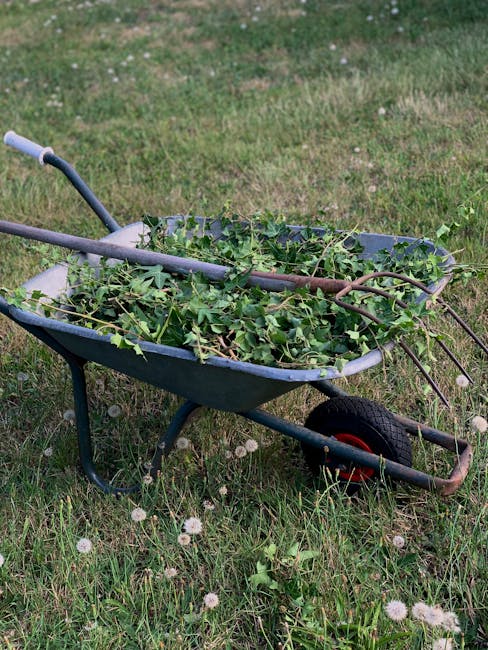
| Blocked access | Wheelbarrows, tarps, handheld tools | Moves waste efficiently through tight spaces |
| Post-clearance tidy | Blowers, brushes, edging tools | Leaves the space genuinely usable, not just "less messy" |
In a professional setting, the most valuable resource is often experience rather than equipment. Knowing what to remove first, what to leave for later, and what needs specialist handling can save hours. That is especially true in mixed gardens where a clearance job quickly turns into a judgement call.
Useful supporting pages on the site include pricing and quotes, which can help set expectations, and insurance and safety, which is worth reviewing when work involves ladders, sharp tools, or unstable material.
Law, Compliance, Standards, or Best Practice
For most readers, the practical question is not "Which regulation applies line by line?" but "How do I make sure the work is done properly and responsibly?" That is fair enough. With garden clearance, best practice usually matters more to the customer than technical jargon.
In the UK, waste should be handled responsibly, and garden clearance should be carried out with care for safety, neighbours, and property boundaries. If waste is being removed from site, it should be taken to an appropriate disposal route rather than dumped or mixed carelessly. If a job involves potentially hazardous items, hidden sharp objects, or unsafe structures, the team should work cautiously and stop if conditions are not suitable.
Good practice also means respecting access rights, keeping noise reasonable where possible, and avoiding unnecessary damage to lawns, decking, or paving. Where children, pets, or neighbours are nearby, clear communication matters. You do not need a lecture about standards; you need a job done in a way that leaves no ugly surprises behind.
For certain situations, specialist help is the correct path. Trees with significant structural damage, for example, are better assessed through tree surgery than treated as ordinary green waste. Likewise, if the clearance uncovers broken perimeter structures, a follow-up with fencing may be needed to make the space secure again.
Site policies such as health and safety policy, terms and conditions, payment and security, and the complaints procedure are also useful references when you want to understand how a provider works. And yes, that sort of plain clarity is reassuring when you are already dealing with a mess.
Options, Methods, or Comparison Table
Not every garden emergency needs the same response. Sometimes a light same-day tidy is enough. Sometimes you need a more complete clearance, or even a short-term recovery plan after the main work. Here is a simple comparison.
| Option | Best for | Strengths | Limitations |
|---|---|---|---|
| Light same-day clearance | Leaves, small branches, surface mess | Quick, efficient, low disruption | Not enough for major storm damage or deep overgrowth |
| Full emergency clearance | Large debris, blocked access, heavy waste | Restores safety and usability fast | May require more labour and disposal planning |
| Clearance plus follow-up maintenance | Messy gardens that need stabilising and then tidying | Best long-term result, fewer repeat issues | Takes more than one visit |
If your space is being reclaimed from serious overgrowth, it may be worth reading garden makeover tips for overgrown spaces. For stubborn weeds that often follow clearance, these weed control tips can help stop the problem bouncing straight back.
To be fair, the best option is the one that matches the real problem, not the one that sounds most dramatic.
Case Study or Real-World Example
Here is a typical real-world scenario. A homeowner in Cranford wakes up after a windy night to find a branch across the lawn, garden furniture shifted out of place, and a hedge section bent into the side passage. The garden is not "ruined", but it is inconvenient, unsafe, and a bit stressful. They need to get children out safely later that day and do not want the area looking abandoned for the whole week.
A same-day clearance call is made. Photos are shared, access is checked, and the urgent items are prioritised. The team removes the branch, clears the passage, collects scattered debris, and makes sure the main walking routes are safe. The hedge is not fully reshaped on the spot, because that would be a separate job. But the garden is usable again, and the homeowner can decide on the next step without panic.
What worked well here was not just speed. It was sequencing. The crew dealt with the obvious hazards first, then the supporting mess, then the tidy finish. That kind of job is easy to underestimate from the outside. Once you have seen a garden go from chaotic to calm in an afternoon, though, you stop underestimating it pretty quickly.
That same kind of response can support a wider recovery path through maintenance, lawn mowing, or a more design-led reset via landscaping when the immediate pressure is gone.
Practical Checklist
Use this quick checklist before the team arrives, or before you decide what to prioritise yourself.
- Identify the most urgent hazard first
- Take photos from a few angles
- Check access gates, side paths, and parking space
- Move fragile items, bikes, or patio furniture if safe to do so
- Keep children and pets away from the work area
- Point out hidden hazards, including broken glass or unstable timber
- Confirm what should be removed and what should be left in place
- Ask whether the job is clear-up only or includes finishing touches
- Think about follow-up care for lawns, hedges, or borders
- Review the finished space before the team leaves
If you want to reduce the chance of another rushed callout, it helps to build a few preventative habits into the year. Small seasonal jobs are much easier than one giant panic at 7am on a Monday. Nobody needs that sort of excitement.
Get a free quote today and see how much you can save.
Conclusion
Same-day garden clearance is about more than tidying up. It restores access, reduces risk, and gives you a clean starting point when the garden has become too much to handle alone. Whether the issue is storm damage, thick overgrowth, blocked paths, or a pile of waste that simply will not wait, the right response is usually simple: clear the danger first, then rebuild the space properly.
If you are dealing with an urgent outdoor mess in Cranford, do not let it drag on for days while it gets heavier, wetter, and more awkward. A focused clearance can change the mood of the whole property in a single visit. Small relief, big difference.
And sometimes that is enough for one day: a safer path, a clearer view, and a garden that feels like it belongs to you again.
Frequently Asked Questions
What counts as an emergency garden clearance?
An emergency clearance usually means the garden has become unsafe, blocked, or unusable and needs prompt attention. That could include fallen branches, storm debris, severe overgrowth, blocked access, or waste that has become a trip hazard.
How fast can same-day gardeners usually arrive in Cranford?
That depends on workload, location, and the size of the job. Same-day usually means the team aims to attend within the day where possible, but it is best to share photos and details early so the visit can be planned properly.
Do I need to move things before the gardeners arrive?
Only if it is safe to do so. If you can move small items like pots or chairs, that helps. But do not try to lift heavy debris, awkward branches, or anything unstable. Safety first, always.
Can emergency clearance include hedge trimming or tree work?
Sometimes, but not always. A light trim may be part of the same visit, yet significant tree work should be handled through a specialist service like tree surgery. The key is to match the job to the risk.
Will the team take away all the waste?
That depends on the arrangement, but most emergency clearance jobs are designed to remove the waste as part of the service. It is sensible to confirm what is included before work begins so there are no surprises later.
Is emergency garden clearance different from regular garden maintenance?
Yes. Regular maintenance is planned, routine care. Emergency clearance is reactive and focused on immediate safety, access, or damage control. Maintenance keeps things in shape; clearance gets things back under control fast.
What if my garden is overgrown rather than damaged?
Overgrown gardens often still qualify if the growth is blocking access or creating a safety issue. In less urgent cases, the job may be better treated as a full clearance or a scheduled makeover rather than a pure emergency visit.
Can same-day clearance help after storm damage?
Yes, that is one of the most common reasons people request it. Fallen branches, scattered debris, and blocked paths are all typical storm-related issues that benefit from quick action.
How do I know if the job needs landscaping later?
If the clearance reveals uneven ground, damaged borders, poor drainage, or broken hard landscaping, a follow-up may be useful. Clearance solves the immediate problem, but it does not always fix the underlying layout.
What should I ask before booking?
Ask what is included, how waste is handled, whether the job can be completed the same day, and whether any specialist work may be needed. It also helps to ask about insurance and safety procedures, especially if the garden contains damage or unstable material.
Can landlords or letting agents book emergency garden clearance?
Yes, they often do. It is a practical choice when a property needs to be made safe or presentable quickly, particularly before inspections, new tenancies, or urgent repairs.
Where can I learn more or get help quickly?
If you want to discuss a specific issue, the simplest next step is to get in touch through the site's contact page and explain what is happening. Clear details help the right team respond faster, and that usually makes the whole process easier for everyone.
For more general background, you can also explore topics like about the team, wild-weather garden safety, and useful outdoor garden essentials when you are planning for calmer days ahead.