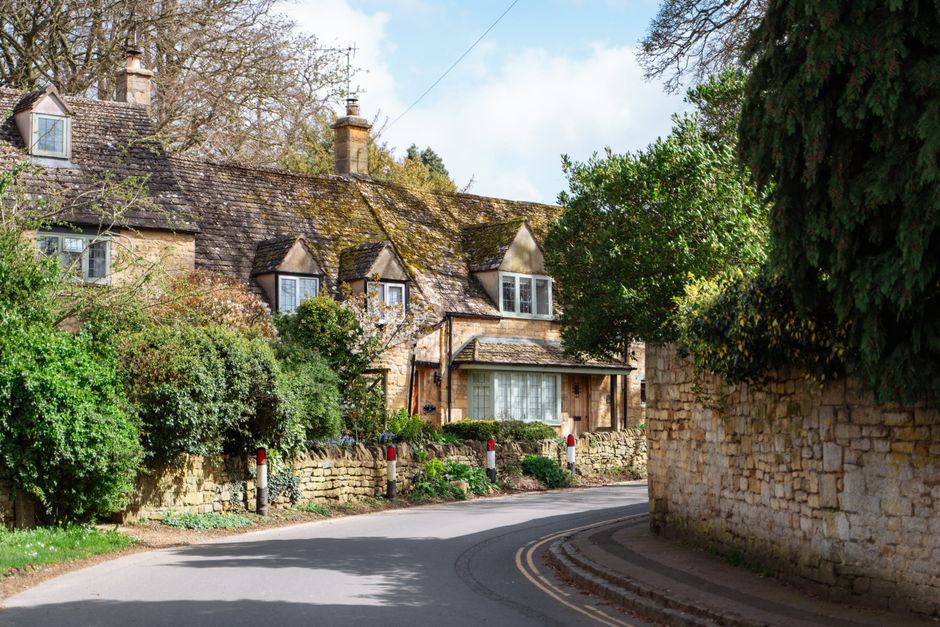
Cranford Lane landscaping case study by local gardeners
If you have been looking at a tired front garden, a patchy lawn, or a back space that never quite feels finished, a Cranford Lane landscaping case study by local gardeners can be surprisingly useful. Not because every garden should be copied exactly, but because a good local project shows how real-world problems get solved: drainage, awkward layouts, privacy, planting that survives the weather, and the day-to-day reality of keeping things neat after the "before and after" excitement fades.
In this guide, we walk through what a local landscaping case study actually tells you, how a project is usually planned, what benefits you can expect, and where homeowners often trip up. You will also find a practical checklist, comparison table, and a straightforward FAQ section. To keep things grounded, we've woven in links to useful related pages such as landscaping support, ongoing garden maintenance, and advice on patio cleaning when a finished space needs a proper reset. Let's face it, a good garden is never just about the planting.
Table of Contents
- Why Cranford Lane landscaping case study by local gardeners Matters
- How Cranford Lane landscaping case study by local gardeners Works
- Key Benefits and Practical Advantages
- Who This Is For and When It Makes Sense
- Step-by-Step Guidance
- Expert Tips for Better Results
- Common Mistakes to Avoid
- Tools, Resources and Recommendations
- Law, Compliance, Standards, or Best Practice
- Options, Methods, or Comparison Table
- Case Study or Real-World Example
- Practical Checklist
- Conclusion
- Frequently Asked Questions
Why Cranford Lane landscaping case study by local gardeners Matters
A landscaping case study matters because it gives you context, not just inspiration. Pictures are helpful, sure, but they do not tell you why certain choices were made or what had to be fixed before the pretty bits could even begin. A local case study is especially valuable in a place like Cranford Lane, where gardens can vary a lot from one property to the next: compact front plots, long rear gardens, shared boundaries, shaded corners, and paved areas that have seen better days.
Local gardeners also understand the small but important things that shape a project. For example, one garden may need screening from passers-by, while another needs a softer transition from house to lawn. Another may look fine in summer but become a soggy, wind-battered mess in winter. That kind of local judgement is hard to fake. It comes from being on the ground, seeing what works, and learning from the jobs that were a little more stubborn than expected.
There is also a trust element. People want to know whether a landscaper can do more than lay turf and plant a few shrubs. They want evidence of practical thinking: how levels were handled, whether materials were chosen for longevity, how maintenance was reduced, and whether the finished space still feels good six months later. A strong case study quietly answers those questions.
If your own garden feels overgrown or underused, a project like this can help you spot the first sensible move. Often it is not "start from scratch". It is more like: clear the obvious problems, define the space, and choose plants and hard landscaping that suit how you actually live. That is a much better starting point.
How Cranford Lane landscaping case study by local gardeners Works
A good landscaping project usually follows a simple but careful sequence. It may not look glamorous at the beginning. In fact, the first part can feel quite practical and a bit dull. But that is where the real difference is made.
- Site review: The garden is assessed for light, shade, drainage, soil condition, access, and any existing features worth keeping.
- Problem definition: The team identifies what is not working. Is the lawn patchy? Are edges awkward? Is privacy missing? Does the patio feel too harsh or too small?
- Design direction: A plan is shaped around how the space will be used. This may include seating, pathways, planting zones, screening, play space, or a calmer low-maintenance layout.
- Preparation: The garden is cleared, levelled where needed, and any old, broken, or unsafe features are removed.
- Build and planting: Hard landscaping and planting are installed in the right order so the structure of the garden supports the softer elements.
- Aftercare: The final step is not optional. New gardens need watering, light pruning, weed control, and sensible maintenance while they settle in.
That process sounds simple, but there are always decisions inside the decisions. For instance, should a boundary be softened with planting or sharpened with fencing? Should the patio be larger and simpler, or smaller with more greenery? Should the garden feel formal, relaxed, child-friendly, pet-friendly, or all of the above? This is where local experience matters. A gardener who knows the area will have a feel for which choices tend to age well and which ones become a headache.
For inspiration on planting structure, it can also help to look at related guidance such as dynamic ground cover planting ideas or creative hedge trimming approaches. Those elements often sit quietly inside a landscaping project, but they do a lot of the work.
Key Benefits and Practical Advantages
The best landscaping does more than improve appearance. It changes how the space behaves and how you use it every day. That is the part people sometimes underestimate.
- Better use of space: A cluttered or uneven garden can be reorganised into clear zones, which makes even small plots feel calmer and larger.
- Lower maintenance pressure: A carefully built garden can reduce the number of bare patches, awkward weeds, and high-effort areas that always need attention.
- Improved privacy: Screening with hedges, climbers, fences, or layered planting can make a garden feel more comfortable and secure.
- Stronger year-round structure: Good landscaping looks intentional even in winter, not just for one sunny fortnight in July.
- More practical outdoor living: With seating, shade, and proper circulation, the garden starts functioning as an extension of the home.
- Better property presentation: A neat, coherent outdoor space usually makes a house feel cared for before anyone even steps inside.
There is also a less obvious benefit: a finished garden can be emotionally easier to live with. When borders are tidy and the layout makes sense, you stop feeling guilty every time you look out of the kitchen window. That sounds small, but honestly, it is not.
If you want the project to stay enjoyable rather than become another chore, pairing landscaping with ongoing care matters. A local team can often help with lawn care, regular mowing, or even selective seasonal tidy-ups after the main build is finished.
Who This Is For and When It Makes Sense
This kind of landscaping case study is useful for several types of homeowners. You may see yourself in one of these situations:
- You have moved into a property and the garden feels unfinished or neglected.
- Your current layout does not match your lifestyle anymore.
- The lawn, patio, or borders have become difficult to maintain.
- You want privacy from nearby houses or from the street.
- Your outdoor area looks tired even after basic tidying.
- You need a safer, more usable space for children or pets.
It is also a smart reference point if you are comparing options and trying to decide whether to book a full landscaping service or start with a smaller refresh. Truth be told, not every garden needs a complete overhaul. Sometimes a well-planned repair of the worst areas, plus better edging and planting, is enough.
For example, if the main issue is a wall of overgrowth and a patchy lawn, it may be more sensible to first explore an overgrowth-to-oasis makeover approach rather than jumping straight to decorative features. Similarly, if the problem is poor shade tolerance, looking into shade-ready climbers can open up options you may not have considered.
Step-by-Step Guidance
If you are planning your own project, this is the practical order we would suggest. It keeps the job sensible and avoids the classic "we planted first and solved the drainage later" situation. Not ideal.
- Walk the garden at different times of day. Light, wind, and shade can change the whole brief. Morning sun can be lovely, but a windy exposed corner needs tougher planting.
- List the real problems. Be specific. "It looks messy" is too broad. "The lawn floods, the fence is tired, and the seating area is too exposed" is useful.
- Decide how you want to use the space. Quiet sitting? Children's play? Entertaining? Low-maintenance greenery? A mix?
- Set priorities. Fix structure first: levels, surfaces, drainage, boundaries, access. Then move to planting and finishing details.
- Choose a simple palette. Too many materials or plant styles can make a garden look busy rather than designed.
- Build in maintenance from the start. If you do not want high upkeep, say so early. That decision shapes everything.
- Finish with aftercare. New planting, fresh turf, and reclaimed borders all need a settling-in period.
A useful rule of thumb: if a feature looks stunning but will annoy you every month, rethink it. Garden design should be pleasant to live with, not just nice to photograph. That one gets ignored more often than you'd think.
For outdoor surfaces, a clean and well-kept finish can matter more than people expect. If stonework or paved areas are already part of the scheme, a service such as patio cleaning can restore the look without changing the whole design.
Expert Tips for Better Results
Local gardeners tend to make better decisions when they combine design thinking with practical restraint. Here are the habits that usually lead to stronger results.
- Keep the hardest-working part of the garden simple. The main access route, dining space, or family play zone should be easy to use and easy to maintain.
- Use layers for privacy. A fence alone can feel stark. A fence with hedging, climbers, or mixed planting usually feels warmer.
- Match plants to the site, not the wish list. Sun-loving plants in deep shade rarely thrive. Obvious, yes, but still a common mistake.
- Balance evergreen and seasonal interest. A garden should not disappear into grey nothingness once summer ends.
- Allow space for growth. Young planting often looks sparse. Give it room. Overcrowding now becomes pruning stress later.
- Think about the view from indoors. You will spend a lot of time looking at the garden through windows, especially in colder months.
A small but important tip: choose at least one feature that looks good in poor weather. That might be textured evergreen planting, a neatly shaped hedge, or a simple zen-inspired arrangement. On a drizzly afternoon in January, that visual structure is doing a lot more work than a summer border ever could.
If the garden sits in a more exposed position, it is worth reading practical advice on windproofing your garden and garden safety in wild weather. Those details are easy to overlook until a storm turns a neat plan into a messy one.
Common Mistakes to Avoid
Most landscaping mistakes are not dramatic. They are small decisions that add up. And once they are in the ground, they are harder to fix than people imagine.
- Starting with plants before fixing structure. If drainage or levels are wrong, the rest will suffer.
- Choosing materials that clash. Random mixes of paving, edging, and gravel can make the design feel confused.
- Ignoring maintenance reality. A high-maintenance garden is fine if you genuinely enjoy it. If not, it becomes a burden.
- Overcrowding borders. Plants need air, light, and room to settle.
- Forgetting the boring parts. Edging, waste removal, access routes, and storage all matter. Not glamorous, but vital.
- Assuming one season is enough. Gardens change. What looks balanced in summer may look bare in winter or too dense by year two.
Another easy trap is designing for an idealised version of your life rather than the actual one. If you rarely host dinner outside, do you need a large dining terrace? If the dog runs the place, is delicate planting really a good idea? If the answer makes you laugh a little, you already know the truth.
For households with pets, a more considered approach can help avoid damage and stress. The advice in gardening tips for dog lovers is a useful side note when planning material choices and planting zones.
Tools, Resources and Recommendations
You do not need a shed full of specialist kit to understand or plan a landscaping project, but a few practical resources make the process smoother.
- Site notes and photos: Take pictures before any work starts. They help you compare progress and remember the original conditions.
- Basic measuring tools: Simple measurements can stop expensive misunderstandings about paths, patios, and planting beds.
- A maintenance plan: Even a one-page plan is better than nothing. It should cover watering, pruning, lawn care, and seasonal checks.
- Planting guidance: For borders, climbers, and ground cover, use choices that suit your soil and light levels.
- Aftercare materials: Compost, mulch, and proper watering habits make a big difference in the first few weeks.
For more practical reading, there are some very useful related pages and articles on the site. If your project involves improving soil quality, the piece on creating rich soil with garden waste solutions is worth a look. If you are planning a greener, more self-sustaining layout, permaculture-inspired gardening offers a thoughtful angle. And for a more relaxed decorative style, zen garden inspirations may give you a clearer visual direction.
If you want help from a local team, the most practical starting point is usually the main gardening services overview, followed by a tailored conversation about scope, budget, and maintenance.
Law, Compliance, Standards, or Best Practice
For most domestic landscaping projects in the UK, the key point is not a long list of laws. It is good practice: work safely, respect boundaries, avoid causing damage, and make sure the finished garden is usable and responsibly built. If trees are involved, or if the work affects shared boundaries or drainage, it is worth being more careful and checking the practical implications before anything is removed or altered.
Good landscapers also think about access, waste handling, and safe working methods. Heavy materials, power tools, sharp edging, and tree work all carry risk. That is why it matters whether a business has clear health and safety guidance and sensible insurance and safety practices. It is not just paperwork. It is part of doing the job properly.
From a customer's perspective, best practice also includes transparent pricing, clear terms, and a process for raising concerns if something does not go to plan. Useful reference pages include pricing and quotes, terms and conditions, and the complaints procedure. Those pages help set expectations early, which is often the difference between a smooth project and an irritating one.
Accessibility can matter too. If a garden is being redesigned for easier movement, wider circulation, or reduced trip hazards, then the overall layout should be chosen with that in mind. In some cases, a simpler route, less abrupt level changes, and clearer edges make daily life much easier. Sometimes the best design is the one that quietly gets out of your way.
Options, Methods, or Comparison Table
There is more than one way to improve a garden, and the right choice depends on budget, timing, and how much change you want. Here is a simple comparison to make the decision easier.
| Approach | Best for | Main advantages | Possible drawbacks |
|---|---|---|---|
| Light refresh | Gardens that are basically sound but untidy | Quick uplift, lower cost, less disruption | Does not solve deeper layout or drainage issues |
| Targeted landscaping | Problem areas such as poor edges, tired patios, or awkward borders | Focused value, practical improvements, easier phasing | Can look unfinished if the rest of the garden is left unchanged |
| Full redesign | Spaces with major layout problems or no clear structure | Complete transformation, better long-term planning | Higher cost, longer project time, more decisions to make |
| Maintenance-led makeover | Gardens needing ongoing care more than structural change | Consistent appearance, gradual improvement, less risk | Slower visual transformation |
If you are unsure where your own garden fits, start with the least dramatic option that genuinely fixes the problem. That is usually the smart move. A tidy, well-maintained garden can be far more satisfying than a flashy one that never quite functions properly.
Case Study or Real-World Example
Here is a practical example of how a local landscaping brief might be approached, using the kind of thinking that tends to work well on Cranford Lane.
A homeowner wanted a front and rear garden that felt neat, private, and easier to manage. The front area was open and visually flat, while the rear space had a tired lawn, congested planting, and a patio that looked a bit dull after wet weather. Nothing was broken exactly, but the whole place felt like it was waiting for a decision.
The first move was to clear away the clutter and identify the strongest existing elements. The team kept useful mature planting where it still had shape, then reorganised the garden into clearer zones. Structural work came first: edging, surface cleaning, and defining a better transition between patio, lawn, and borders. In the rear garden, the seating area was made more inviting with a tidier hardscape and softer planting around the edges. In the front, screening and a more disciplined border shape gave the space a better street presence without making it feel boxed in.
After that, maintenance was considered as part of the design, not as an afterthought. Easy-care planting was chosen where the owner wanted less effort, while still leaving room for seasonal colour. A few careful choices made the whole space feel calmer. Not extravagant. Just better. More lived in, in a good way.
If the same project were tackled again, one thing would still be true: the most successful part would not be the "wow" feature. It would be the boring, sensible planning underneath it. That is usually how the best gardens happen.
Practical Checklist
Before you book work or begin planning, run through this checklist. It keeps the project honest.
- Have you identified the main problem: layout, privacy, drainage, planting, or maintenance?
- Do you know which areas get sun, shade, wind, or standing water?
- Have you decided whether you want a light refresh or a full redesign?
- Is there a clear idea of how the garden will be used day to day?
- Have you chosen the features that matter most, such as seating, lawn, paths, or screening?
- Are you happy with the maintenance level the design will create?
- Have you thought about how the garden will look in winter as well as summer?
- Do you have a realistic budget and a sensible order of priorities?
- Have you checked whether existing structures, trees, or boundaries need extra care?
- Is there a plan for aftercare once the landscaping work is completed?
Expert summary: the strongest landscapes are usually the ones that solve a real problem first and look beautiful second. Ideally, they do both. But if you have to choose, function should lead. Beauty lasts longer when the garden actually works.
Conclusion
A Cranford Lane landscaping case study by local gardeners is useful because it shows the real shape of a successful garden project: assessment, planning, honest priorities, and careful finishing. It also reminds you that great landscaping is not just about adding features. It is about making the space easier to live with, calmer to look at, and simpler to maintain over time.
Whether your own garden needs a complete redesign or just a sensible improvement in the right places, local knowledge can save time, money, and a fair amount of frustration. Start with the problem in front of you, choose solutions that suit the site, and give the finished space room to settle. That is the kind of approach that tends to age well.
If you are ready to talk through your own ideas, compare options, or get a clearer sense of what is possible, take the next step and discuss it with a local team that understands the area and the practical realities of outdoor work.
Get a free quote today and see how much you can save.
Frequently Asked Questions
What does a landscaping case study actually show me?
It shows how a real garden problem was assessed, planned, and improved. That is more useful than a simple gallery because you can see the thinking behind the result.
Why is a local gardeners' case study more helpful than a generic design guide?
Because local gardeners understand local conditions such as weather exposure, common garden layouts, and the sort of maintenance homeowners usually want to avoid.
How do I know if my garden needs landscaping or just maintenance?
If the space is basically fine but messy, maintenance may be enough. If the layout, surfaces, privacy, or drainage are the real issue, landscaping is usually the better fit.
Can a small garden still benefit from landscaping?
Absolutely. In fact, small gardens often benefit a lot from better structure, because a few good decisions can make the whole space feel larger and more usable.
Is it better to start with the patio, the lawn, or the planting?
Start with the problem that affects the whole garden most. Usually that means surfaces, drainage, access, or layout before planting details.
How long does a typical garden landscaping project take?
It depends on scope, access, weather, and the amount of preparation needed. A small refresh may be relatively quick, while a full redesign naturally takes longer.
What are the biggest mistakes homeowners make during redesigns?
The most common mistakes are skipping the planning stage, choosing plants for appearance alone, and underestimating how much maintenance the finished garden will need.
Do I need to worry about safety and insurance?
Yes, especially if the work involves tools, trees, heavy materials, or structural changes. It is sensible to choose a team that takes safety and insurance seriously.
Can landscaping help with privacy?
Yes. Screening can come from hedges, fencing, climbers, or layered planting. A good design often combines more than one method for a softer result.
How can I keep a newly landscaped garden looking good?
Use simple aftercare: regular watering where needed, light weeding, sensible pruning, and lawn care. A garden looks best when the maintenance plan is realistic, not heroic.
What should I ask before requesting a quote?
Ask what is included, what preparation is needed, how aftercare works, and how the project will be phased. Clear answers up front make everything easier later.
Where can I find more help with local gardening and garden improvements?
You can explore related guidance on the team behind the service, browse practical garden advice like pocket-friendly gardening tips, or read more about keeping a garden in good shape year-round.